|
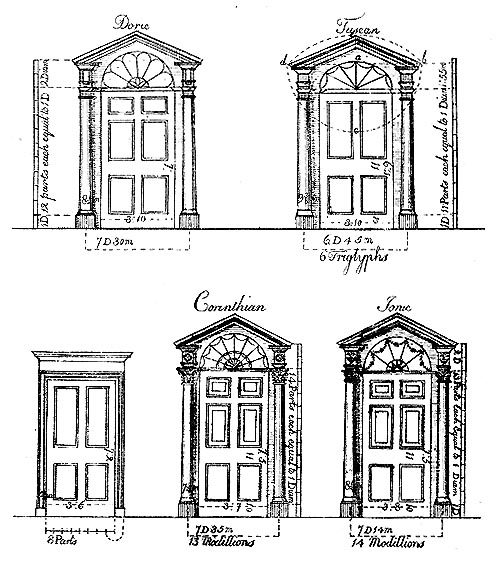
materials in which they were compelled to work, bricks, granite and pine, chiefly pine; for the esthetic possibilities of the proverbially square brick, are slight, and granite, unless laboriously wrought, is scarcely suitable for the lighter forms of classic design. So they embellished their brick walls by means of some diversity in the arrangements of the visible mortar joints, and kept to simple shapes in such stone as they employed. Then, to this substantial construction, they applied wooden cornices, porches, pediments, porticoes and balustrades, — the designs for which were taken from the "Builders' Guides" and "Architects' Assistants," which supplied the architectural law and gospel of the period.
-- page 11 --
| Previous Page | Next Page |
|